

Golf etiquette ensures that everyone on the course has a fun experience. One of the most common issues with golfing etiquette is slow play, which can lessen the enjoyment of other players and drastically increase playing time for each round borgata gypsy bar.
I hope this overview of golf etiquette has helped you understand the basics and feel more confident on the course. Remember, always respect your fellow players and maintain general courtesy while playing. Everyone can have a fun experience on the links through proper golf etiquette rules!
The other 10 tips will not help your etiquette but also make it look like you know what you’re doing out there. Hopefully, you can use these golf etiquette tips to have more fun, make new friends, and play better golf this year.
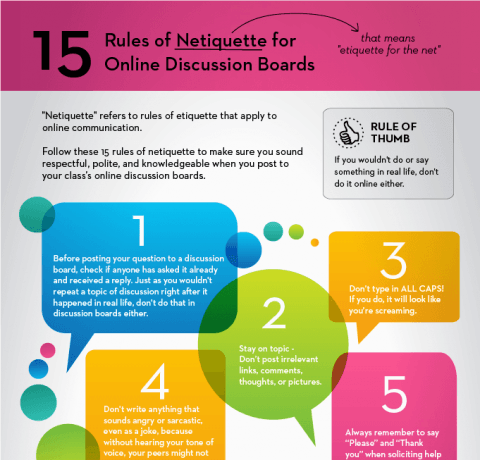
Also remember that insults and threats on the internet can have legal consequences for you. For this reason, do not be tempted to make such comments, even in heated discussions. Instead, demonstrate exemplary conduct on the internet.
Those who follow netiquette best practices help to create a kinder and more considerate digital landscape—a place where everyone feels more comfortable to communicate, create, and share. They also set positive examples others can follow, and the more people that practice good internet etiquette, the more courteous, constructive, and welcoming the digital world will be.
To stay in touch with a colleague without adding them as a Facebook friend, tell them you only use Facebook for close personal friendships. Suggest that you connect on LinkedIn or another professional networking site to stay in touch.
Most of us are familiar with spam calls or spam emails from companies we didn’t give permission to contact us. But we can also get spammed by family and friends, such as when they repeatedly contact us asking to take part in their latest business venture.
We’ve seen major social media platforms introduce policies to moderate interactions, governments launch campaigns to combat cyberbullying, educators develop courses on digital communication, and new tools emerge with their own etiquette guidelines.
Robert’s Rules of Order for meetings is an informative and fascinating topic. The more board members learn about how to use Robert’s Rules, the more effectively they will govern, and effective governance is the hallmark of a quality board.
Protocol, on the other hand, refers to a set of formal rules and procedures that govern official or ceremonial events. It is more rigid and structured than etiquette, focusing on the correct sequence of actions and the proper behavior expected in specific situations. Protocol is often associated with diplomatic, governmental, and royal events, where adherence to established rules is crucial to maintain order and convey symbolic meanings.
You can also greatly increase the effectiveness of your meetings through the proper use of board portals. iDeals, the top choice among the many options available, will help steer you through planning your agenda, collecting votes, writing meeting minutes, and more.
Board meeting etiquette extends beyond the meeting itself. It’s up to the chair or board secretary to provide a summary of the meeting, read the resolutions and the future steps. But board members should also review the post-meeting papers, raise any suggestions or concerns regarding possible meeting reviews, understand the resolutions, and carry on appropriately.
*Note: A member may make a motion to reconsider something that was already disposed of; however, the reconsidered motion may not be subsequently reconsidered. A motion to reconsider must be made during the same meeting and can extend to a meeting that lasts for more than one day.
See why organizations worldwide are making the switch to board portal for improved board governance. Convene has been rated the top board management software by several trusted sources of technology reviews.

