Risk perception plays a crucial role in how gamblers approach casino games. Individuals tend to have varying levels of tolerance towards risk based on their personality traits and past experiences. Some players are thrill-seekers and are drawn to high-stakes games, embracing the adrenaline rush that comes with potentially losing significant amounts of money. Conversely, others prefer low-risk games where they perceive better chances of winning, highlighting the importance of understanding one’s own risk appetite. Exploring the best social casinos can help further guide choices for those looking to balance risk and fun.
This perception also influences decision-making processes at the tables. Gamblers who perceive high risk may engage in more aggressive betting strategies, believing that substantial rewards justify the chances of loss. This psychological interplay significantly impacts overall success. By recognizing and adjusting their risk perception, players can adopt more suitable strategies that align with their psychological profiles, potentially enhancing their gaming experience.
Emotional control is one of the fundamental aspects of successful gambling. Gambling can evoke a wide range of emotions, from excitement and joy during winning streaks to frustration and despair during losses. Players who can manage their emotions typically make better decisions regarding their bets and game strategies. For instance, remaining calm under pressure can prevent impulsive actions that might lead to substantial losses.
Moreover, understanding the psychological triggers that lead to emotional reactions is vital for developing a sustainable gambling strategy. Gamblers who can identify when they are becoming overly emotional can implement strategies to pause and reassess their decisions, ultimately leading to a more calculated and rational approach to gambling.
Cognitive biases can heavily skew a gambler’s perspective, impacting their strategy and choices. One common bias is the gambler’s fallacy, which is the belief that past events can influence future outcomes in games of chance. This erroneous thinking can lead players to make poor decisions, such as betting on a losing streak in the hope that a win is ‘due.’ Understanding these biases can help players recognize flawed thinking patterns and adjust their strategies accordingly.
Additionally, overconfidence is another significant cognitive bias that gamblers often face. When players experience a few wins, they may overestimate their skills or intuition, leading to reckless betting. By being aware of these cognitive biases, gamblers can train themselves to adopt a more objective viewpoint, thereby refining their strategic approach and ultimately enhancing their success at the casino.
The social environment within casinos can significantly influence gambling behavior. The presence of other players, the atmosphere of excitement, and even peer pressure can affect decision-making. Social dynamics often encourage certain betting behaviors, leading individuals to adopt strategies that may not align with their personal preferences. Recognizing the impact of social settings can empower gamblers to maintain their strategies rather than yield to external pressures.
Furthermore, social interactions can also provide valuable insights and learning opportunities. Observing how others make decisions in real-time allows players to adapt their strategies based on collective behaviors. Establishing a balance between individual decision-making and the influence of social dynamics can lead to a more informed gambling strategy.
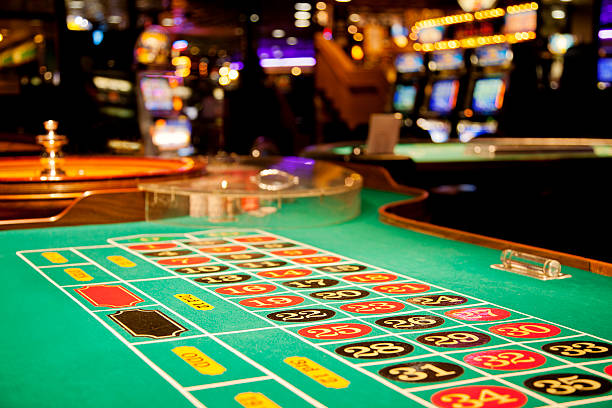
Understanding the psychology behind successful casino gambling strategies involves recognizing the interplay of risk perception, emotional regulation, cognitive biases, and social dynamics. By gaining insight into these psychological factors, gamblers can develop a more robust and effective strategy that enhances their overall experience while minimizing potential losses.
As a platform dedicated to providing valuable information, Leyacawilliamsburg.com aims to empower users with insights that prioritize safety and informed decision-making within the gambling space. By fostering a deeper understanding of these psychological aspects, we hope to contribute to more responsible and successful gambling practices among our readers.